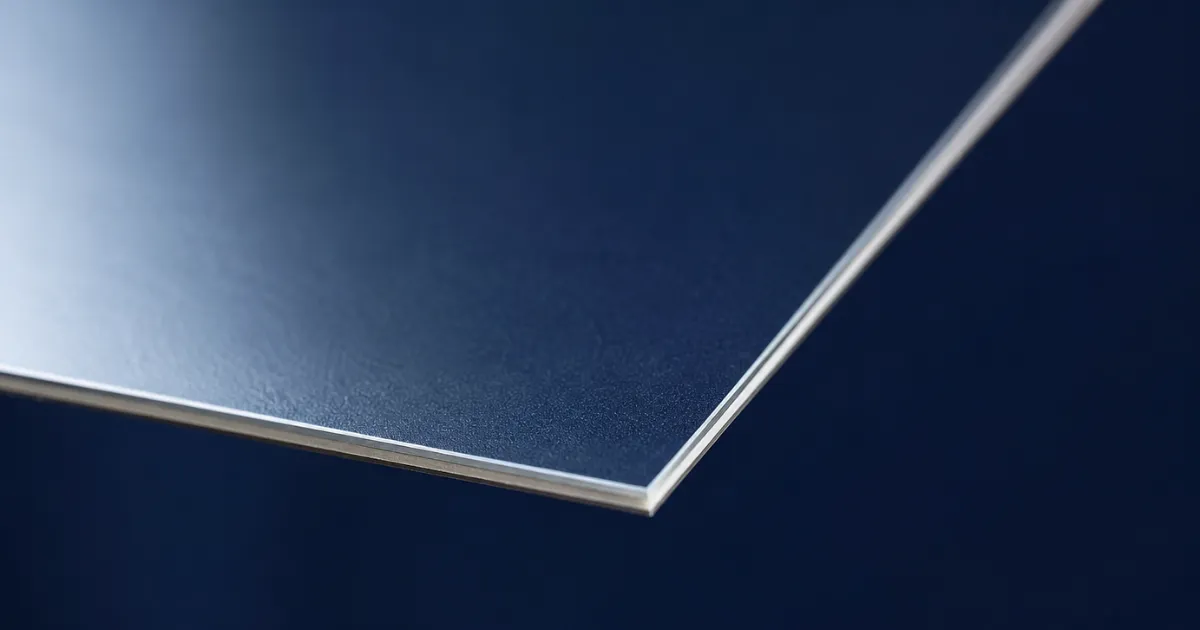
Lamination is a precise process, and small issues can show up if it isn't handled with care. Knowing the common defects — and what prevents them — helps you set expectations and choose a finishing partner who gets the surface right the first time.
Silvering
Silvering is a hazy, silvery look caused by tiny air pockets between the film and the sheet. It is prevented by proper bonding conditions and the right film-to-stock match, so the film sits flat with no trapped air.
Bubbling and blistering
Bubbles appear when the bond is uneven. Consistent, well-controlled lamination across the full run keeps the surface flat and blister-free — which matters most on covers and cartons.
Curl
Curl happens when the sheet and film respond differently after lamination. Matching the lamination approach to the board weight and, where needed, balancing both sides keeps sheets flat and ready for the next stage.
Poor adhesion and edge lift
If the film lifts at the edges, the bond or film choice wasn't right for the stock. Selecting the correct film and bonding it properly ensures the lamination stays put through die-cutting, folding and handling.
The takeaway
Most defects come down to film selection, bond quality and consistency — exactly the things a dedicated finishing specialist controls. Treating lamination as a managed, quality-checked step is the surest way to avoid them.
Want finishing done right the first time? Talk to us about your job.